


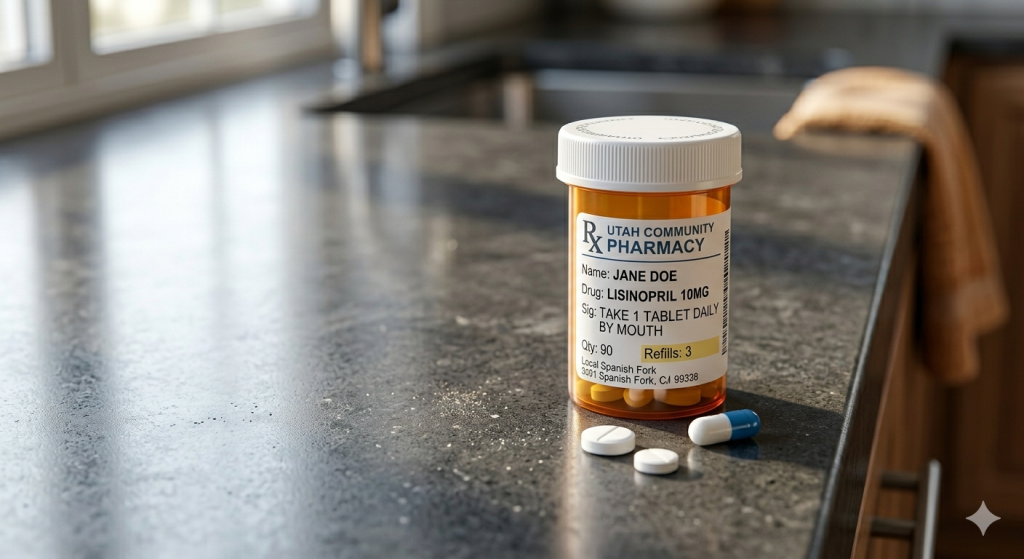
Utah’s drug laws are notoriously strict, but they’ve undergone significant shifts in recent years. While the state has moved toward a model that emphasizes rehabilitation for low-level offenders, “drug possession” is still a serious criminal charge that can carry life-altering consequences, including jail time, heavy fines, and a permanent criminal record.
If you are facing drug-related charges, understanding how Utah classifies these offenses is the first step in defending yourself.
Understanding Drug Classifications
Utah follows a “Schedule” system to categorize controlled substances based on their perceived potential for abuse versus their medical utility.
- Schedule I & II: Includes substances like heroin, cocaine, methamphetamine, and LSD. These carry the harshest penalties.
- Schedule III, IV, & V: Includes many prescription medications and substances considered to have a lower potential for abuse.
- Marijuana: While technically a Schedule I substance, it is often governed by its own specific penalty brackets based on weight.
Classifications of Drug Possession Charges
In Utah, drug crimes are generally split into two categories: Simple Possession (personal use) and Possession with Intent to Distribute (PWID).
1. Simple Possession
For most first- and second-time offenders, possession of a controlled substance (other than marijuana) for personal use is charged as a Class A Misdemeanor.
- Penalty: Up to 364 days in jail and fines up to $2,500.
Enhancements: A third or subsequent conviction for simple possession can be elevated to a Third-Degree Felony, carrying up to 5 years in prison.
2. Marijuana Possession
As of 2026, Utah law has seen amendments regarding marijuana. While it remains illegal without a medical card, small amounts are treated differently than “harder” drugs:
- Under 1 ounce: Typically a Class B Misdemeanor (up to 6 months in jail).
- 1 ounce to 1 pound: Class A Misdemeanor.
- Over 1 pound: This enters Felony drug possession Utah territory (Third-Degree Felony).
3. Possession with Intent to Distribute
If law enforcement finds evidence that you intended to sell or share the drugs—such as large quantities, baggies, scales, or high amounts of cash—the charges jump significantly.
- Schedule I or II: Second-Degree Felony (1 to 15 years in prison). If you have a prior conviction involving distribution the charge is enhanced one degree to a First-Degree Felony.
- Schedule III or IV: Third-Degree Felony (0 to 5 years in prison). If you have a prior conviction involving distribution the charge is enhanced one degree to a Second-Degree Felony.
Potential Defenses Against Drug Charges
A charge is not a conviction. Depending on the details of your arrest, several legal defenses may be available:
- Fourth Amendment Violations: If the police conducted an illegal search of your car, home, or person without a warrant or probable cause, the evidence (the drugs) may be suppressed.
- Lack of Knowledge or Possession: In “constructive possession” cases—where drugs are found in a shared space like a car—the prosecution must prove you knew the drugs were there and had the intent to control them.
- Testing Errors: We can challenge the validity of the laboratory results or the “field tests” used by officers, which are notoriously prone to false positives.
How We Can Help
The “Drug Court” system in Utah often allows eligible individuals to enter a diversion program. Successful completion can lead to a complete dismissal of charges, keeping your record clean.
Are you facing drug charges in Utah? Contact us today for a free consultation to discuss your defense strategy and explore your options.
Disclaimer: This blog post provides general information and is not legal advice. Expungement laws are complex and frequently change. The fees and timelines mentioned are subject to change. For a clear assessment of your eligibility and to navigate the legal process, you should consult with a qualified Utah criminal defense attorney.